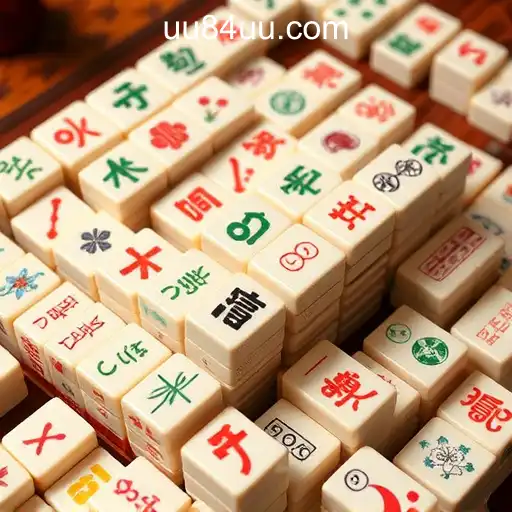
Understanding the Timeless Appeal of Mahjong
Originating in China during the Qing dynasty, Mahjong is a captivating tile-based game that has fascinated players worldwide for centuries. Known for its complex strategies and engaging gameplay, Mahjong combines elements of skill, chance, and social interaction, making it a beloved pastime across different cultures.
The Historical Significance of Mahjong
Mahjong is deeply rooted in Chinese culture and history, with its development tracing back to the mid-19th century. Originally, it was a game played by the elite before gaining popularity among the general populace. Its spread beyond China during the early 20th century saw it being embraced in countries like Japan and the United States, each adapting the game to fit their cultural nuances.
The basic game of Mahjong comprises 144 tiles based on Chinese characters and symbols, although regional variations may alter this number. The game is traditionally played by four players and involves building sets, typically of three, called melds. The ultimate goal is to form a 'Mahjong' by completing a legal hand.
The Components of Mahjong
The Mahjong set is composed of three main suits: Bamboos, Characters, and Dots. Each suit has numbered tiles from one to nine. Additionally, there are four Wind tiles: East, South, West, and North, and three Dragon tiles: Red, Green, and White. Some variations include flowers and seasons tiles, adding an extra layer of complexity to the game.
Each player receives 13 tiles, with players taking turns drawing and discarding until they complete their hand with a 14th tile. Melds can be Pung (three identical tiles), Kong (four identical tiles), or Chow (a consecutive run of three tiles in the same suit). The challenge lies in achieving a winning hand while navigating the discards of opponents and the luck of the draw.
The Global Evolution and Adaptation of Mahjong
As Mahjong spread globally, it underwent several transformations. In the United States, Mahjong took on a unique identity, with the publication of the American Mahjong rules in the late 1920s. The American version incorporates jokers and a card that outlines winning hands for that year, adding a constantly evolving element to the game.
In Japan, Mahjong developed into a highly competitive sport known as Riichi Mahjong. It includes a scoring system that rewards strategic depth and the potential for declaring 'Riichi,' a declaration indicating a player's readiness to win with a concealed hand, often introducing a high degree of tension to the game.
Mahjong’s versatility and ability to adapt while retaining its core principles have ensured its continued importance in modern gaming culture. Each regional variation provides a unique twist, encouraging enthusiasts to explore the complexities and subtleties in each version.
The Social and Cultural Influence of Mahjong
Mahjong is more than just a game; it's a social experience that brings together family and friends. In many cultures, Mahjong is a staple of social gatherings during holidays and celebrations. It often serves as a bridge between generations, with older members passing down strategies and stories to the younger ones.
Playing Mahjong teaches patience, focus, and foresight. The game requires players to remain vigilant, anticipating opponents' moves while carefully planning their path to victory. This blend of strategies transforms Mahjong into a mental exercise that sharpens the mind.
The social aspect of Mahjong cannot be overstated. It requires players to engage with each other, read subtle social cues, and balance competitive spirit with camaraderie. This makes it a valuable activity for fostering interactions and maintaining strong interpersonal connections.
Mahjong's Impact on Modern Gaming
With the rise of digital technology, Mahjong has seamlessly transitioned into the digital world. Online platforms and mobile applications have made Mahjong accessible to a global audience, allowing players to compete with opponents from different parts of the world. This has further increased the game's popularity among younger generations.
One such platform that connects enthusiasts is U84U.com Oficial Slots Brasil #1, where players can enjoy a variety of digital games, including Mahjong-inspired slots. These online adaptations retain the essence of the game while introducing innovative elements to attract new players.
Furthermore, competitive Mahjong tournaments have grown in prominence, with regional, national, and international competitions offering substantial prizes. These tournaments have professionalized the game, creating a community of dedicated players who vie for titles and acclaim.
The Enduring Legacy of Mahjong
Mahjong's enduring legacy is a testament to its timeless appeal. It stands out as a game that not only provides entertainment but also serves as a cultural artifact, preserving history and customs across generations. Its adaptability to changing times and technologies ensures that Mahjong will remain a beloved pastime for many years to come.