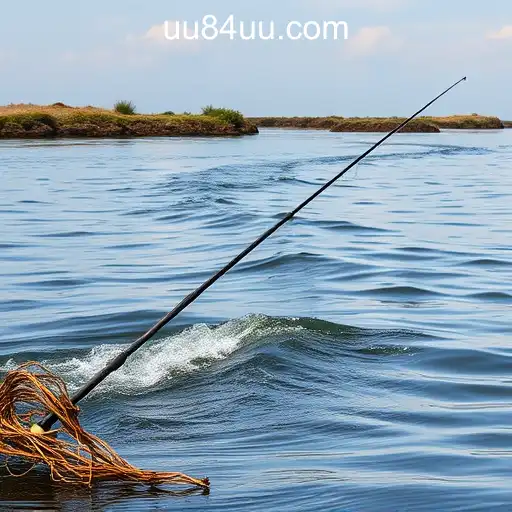
The Art and Science of Fishing: A Timeless Tradition
Fishing is more than just a hobby; it is a timeless tradition that has sustained human societies for centuries. From the tranquil rivers of the countryside to the vast oceans that cover the majority of our planet, fishing plays a critical role in both economics and culture. With the rise of recreational fishing, it has become a popular pastime that offers relaxation and a profound connection with nature.
The Historical Roots of Fishing
Humans have been fishing for thousands of years. Ancient civilizations relied on fishing not only as a primary food source but also as a means of trade. Techniques and equipment have evolved over time; however, the core elements of fishing remain consistent. Archeological findings of ancient fishing gear, such as nets and hooks, provide a glimpse into the innovative methods employed by our ancestors.
Fishing Techniques Through the Ages
From the simple use of spears and traps to the sophisticated methods employed by modern fishing vessels, the evolution of fishing techniques is nothing short of remarkable. In earlier times, indigenous cultures developed techniques such as hand gathering, netting, and angling. These methods not only showcase human ingenuity but also respect for the diversity of the aquatic ecosystem.
Modern-Day Fishing Practices
Today, fishing encompasses a wide array of practices that include both recreational and commercial activities. The advent of technology has significantly enhanced commercial fishing, providing methods that increase catch efficiency while also raising concerns about sustainability. The demand for seafood continues to rise, prompting discussions on responsible fishing practices that help conserve marine life.
Recreational Fishing: A Popular Pastime
Recreational fishing, often referred to as sport fishing, is immensely popular across the globe. Enthusiasts enjoy the thrill of the catch and the tranquility offered by time spent on the water. Angling is one of the most practiced forms within this category, involving various techniques like fly fishing and spin fishing. Organizations and communities dedicated to fishing promote ethical practices and conservation efforts, ensuring that this beloved hobby does not negatively impact marine habitats.
The Role of Regulation in Fishing
Government regulations play a crucial role in maintaining sustainable fishing practices. Policies are enacted to control fishing seasons, set catch limits, and designate protected areas. These regulations aim to address the overfishing crisis that threatens many fish species with extinction. Compliance with these rules is essential for preserving aquatic ecosystems and ensuring future generations can enjoy the benefits of fishing.
Protecting Aquatic Ecosystems
The health of our planet's waters directly impacts the vitality of fishing endeavors. Initiatives to restore and preserve aquatic habitats, such as the creation of artificial reefs and reforestation of mangroves, help support diverse marine life. Partnerships between environmental organizations, governments, and the fishing industry are vital in promoting sustainable practices and reversing negative trends.
Fishing Gear: Innovation and Practices
The gear used in fishing has experienced a profound transformation, integrating new materials and technologies. From handcrafted wooden rods to sophisticated electronic fish finders, the range of equipment available to today’s fishermen is vast. Modern fishing gear aims to enhance efficiency while minimizing environmental impact.
Choosing the Right Equipment
Selecting appropriate fishing gear depends on numerous factors, including the type of fish targeted and the chosen fishing environment. Understanding the specific needs of each fishing excursion is crucial in maximizing success and enjoyment. Innovations like biodegradable fishing lines and selective fishing devices are part of a growing industry trend aimed at sustainability.
Fishing and the Economy
The fishing industry significantly contributes to the global economy, providing employment to millions and serving as a primary food source for billions. Regions heavily reliant on fishing often experience socioeconomic challenges when confronted with changes in fish populations and environmental shifts. Thus, sustainable practices are not only ecologically necessary but also economically beneficial.
Fishing Tourism: An Economic Booster
Fishing tourism has emerged as a lucrative sector, inviting enthusiasts from around the world to experience unique aquatic adventures. This branch of tourism stimulates local economies through increased demand for guide services, equipment rental, accommodations, and other related expenditures. Sustainable and well-managed fishing tourism ensures long-term profitability while conserving the natural environment.
The Future of Fishing
The future of fishing lies in balancing technological advancements with respect for environmental limits. Embracing innovative solutions to global challenges like climate change and overfishing will determine the sustainability of this invaluable resource. Collaborative efforts and adaptive management strategies are key to nurturing a viable and prosperous fishing industry for generations to come.
The Intersection of Tradition and Technology
Despite its deep historical roots, the fishing industry is by no means static. The rapid pace of technological innovations impacts how fishing is practiced today and will evolve in the future. From the use of drones for fish spotting to blockchain for supply chain transparency, fishing continues to intersect with the latest technological trends.
As we delve deeper into the multifaceted world of fishing, the importance of marrying tradition with modern innovations becomes evident. By honoring traditional practices while embracing new technologies, we protect and preserve this age-old practice for future enthusiasts.